Products Metal Manufacturer in China
3J1
3J1 is an iron-nickel-chromium austenite precipitation-strengthened high elastic alloy. After solution treatment, it has good plasticity, low hardness and is easy to process and shape. After solid solution or cold strain aging treatment, high mechanical properties and elastic properties are obtained. The alloy has the characteristics of high strength, high elastic modulus, small elastic aftereffect and hysteresis, weak magnetism, good corrosion resistance and thermal stability, and can be used under high temperature, large stress or Work under corrosive media conditions. 3J1 can work below 250℃ and can also be used at low temperatures (such as nearly -200℃).

3J21
3J21 is a deformation-strengthened cobalt-based alloy. It is a Co-Cr-N-Mo series high elastic alloy. The alloy is non-magnetic, corrosion-resistant, highly elastic, high-strength and has good fatigue resistance. It has the characteristics of high hardness, strength, elastic limit, energy storage ratio and fatigue strength. Mainly used to make various instrument springs and other elastic components that work below 400°C

3J53
3J53 is a constant elastic alloy used to make frequency components. The alloy has an austenitic structure and has high elasticity and strength, low elastic modulus temperature coefficient, and good wave speed consistency. It can operate at 60 to 100°C. The resonant frequency of internally produced components basically does not change with temperature, so it is widely used in instruments, meters, communications, measurement and other fields.
4J29 (Kovar)
4J29 alloy is also called Kovar alloy. The alloy has a linear expansion coefficient similar to that of borosilicate hard glass at 20-450°C, a higher Curie point, and good low-temperature structural stability. The oxide film of the alloy is dense and can be well wetted by glass. It does not interact with mercury and is suitable for use in instruments containing mercury discharge. It is the main sealing structural material of electric vacuum devices.

4J33
4J33 is a ceramic sealing alloy developed based on my country’s ceramic characteristics. The alloy has a linear expansion coefficient similar to that of 95% Al2O3 ceramics in the temperature range of -60°C to 600°C. It is mainly used for matching sealing with ceramics and is an important sealing structural material in the electric vacuum industry.
4J34
4J34 is a ceramic sealing alloy developed based on my country’s ceramic characteristics. The alloy has a linear expansion coefficient similar to that of 95% Al2O3 ceramics in the temperature range of -60°C to 600°C.
4J36
4J36 is a special low-expansion iron-nickel alloy with ultra-low expansion coefficient. Among them, the control of carbon and manganese components is very important. Cold deformation can reduce the thermal expansion coefficient, and heat treatment within a specific temperature range can stabilize the thermal expansion coefficient. 4J36 is corrosion resistant in dry air at room temperature. In other harsh environments, such as humid air, corrosion may occur
4J42
4J42 alloy is a high-performance metal alloy, mainly composed of iron (Fe) and nickel (Ni). It belongs to the category of precision alloys or fixed expansion alloys. The nickel content of 4J42 alloy is carefully adjusted to obtain specific thermal expansion properties. In addition to iron and nickel, alloys may also contain small amounts of other elements to further improve their properties. Through precise heat treatment and processing technology, 4J42 alloy products with excellent properties can be obtained.
4J50
4J50 is a series of constant expansion alloys that can match soft glasses and ceramics with different expansion coefficients within a given temperature range by adjusting the nickel content. Its expansion coefficient and Curie point increase with the increase in nickel content. This combination alloy is a sealing structural material widely used in the electric vacuum industry. 4J50 is a typical grade of glass-sealed alloy. It has been used in aviation factories for a long time and has stable performance.
4J52
Iron-nickel fixed expansion alloys are a series of fixed expansion alloys that can match soft glasses and ceramics with different expansion coefficients within a given temperature range by adjusting the nickel content. Their expansion coefficients and Curie points increase with the increase in nickel content. This combination alloy is a sealing structural material widely used in the electric vacuum industry.
1J22
Hiperco 50 Alloy is an iron-cobalt soft magnetic alloy that exhibits high magnetic saturation (24 kilogauss), high D.C. maximum permeability, low D.C. coercive force, and low A.C. core loss. This alloy is produced in strip form only and contains the addition of niobium to its chemistry for grain refinement during mill processing and final heat treatment.
1J50
1J50 is a Ni-Fe soft magnetic alloy, and its main compositions are about 50% Ni, 48% Fe and other micro-elements. This alloy is characterized by high magnetic permeability, higher saturation induction density, etc. As a soft magnetic material used in alternating current, vortex and loss are induced inside the material due to the alternating magnetization. The smaller the resistivity and the greater the thickness of the alloy, and the higher the frequency under the alternating magnetic field, the greater the eddy loss and the more the decrease of the magnetic performance. So, the material must be manufactured as a thin sheet (strip) and coated with an insulation layer on its surface. Or use a certain method to form an oxide insulation layer on the surface, and such alloys usually adopt magnesium oxide electrophoretic coating.
1J79
1J79 is a high saturation magnetic induction soft magnetic nickel alloy, also known as perm-alloy. The corresponding grades are Ni79Mo4, E11c, malloy, permalloy, and 79HM. 1J79 has a face-centered cubic crystal structure with a lattice constant of approximately 0.355nm at a nickel concentration of approximately 80%
1J85
1J85 is a nickel–iron magnetic alloy, with about 80% nickel and 20% iron content. It is notable for its very high magnetic permeability, making it useful as a magnetic core material in electrical and electronic equipment and in magnetic shielding to block magnetic fields.Commercial perm-alloy alloys typically have a relative permeability of around 100,000, compared to several thousand for ordinary steel.
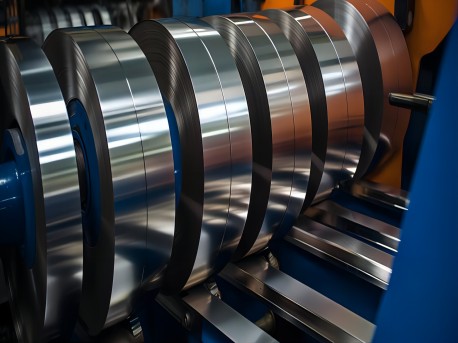
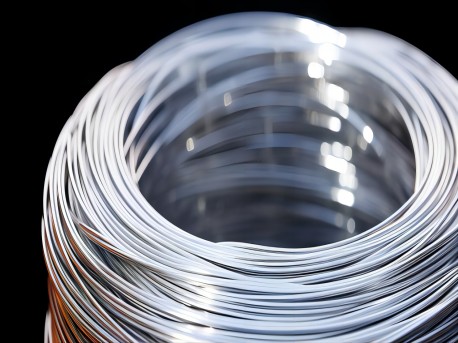

Nickel200 (NO2200/2.4060)
Nickel 200 (UNS N02200/W.Nr. 2.4060 & 2.4066) is commercially pure (99.6%) wrought nickel. It has good mechanical properties and excellent resistance to many corrosive environments. Other useful features of the alloy are its magnetic and magnetostrictive properties, high thermal and electrical conductivities, low gas content, and low vapor pressure.
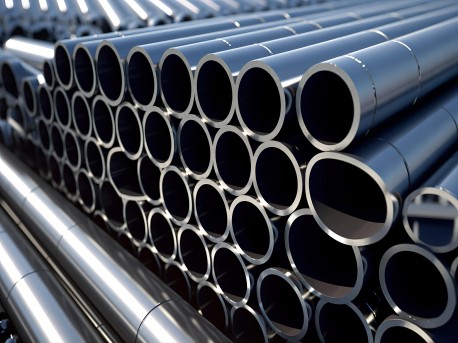
Nickel 201(NO2201/2.4060)
Nickel 201 alloy is an alloy containing commercially pure wrought nickel with excellent mechanical properties and corrosion resistance, high thermal and electrical conductivity, low gas content and low vapor pressure.
Monel 400
Monel 400 is a nickel-copper alloy that is hardened by cold working only. Monel 400 has a low corrosion rate in flowing seawater, therefore it is widely used in marine applications. Monel 400 also has excellent resistance to stress corrosion cracking in most fresh-waters. Monel 400 can be used in temperatures up to 1000 ºF. The alloy has great mechanical properties at subzero temperatures.

Monel K-500
Alloy K500, also called Monel K-500, is an age-harden-able nickel-copper alloy that combines the corrosion resistance properties of alloy 400 with high-strength corrosion fatigue and erosion resistance properties. Alloy K500 is precipitation hard-enable through the additions of aluminum and titanium. The chemical composition of alloy K500 retains the excellent corrosion-resistant characteristics of alloy 400. Compared with alloy 400, alloy K500 has enhanced strength and hardness after precipitation hardening. Alloy K500 has approximately three times the yield strength and double the tensile strength of alloy 400. Alloy K500 can be further strengthened by cold working before the precipitation hardening. Alloy K500 should be annealed when welded and the weldment then stress relieved before aging.
Inconel600/UNS NO6600/NS312
It has the combined properties of toughness and corrosion resistance. Because it also has high strength and good oxidation resistance at high temperatures, it can also be used in the heat treatment industry to manufacture various structural parts. In the nuclear power industry, it has good resistance to high temperature and high pressure water, so it is also an important structural material for pressurized water reactor nuclear power plants. When used for evaporator heat exchange tubes, Inconel600 tube production requires not only solid solution treatment, but also medium-temperature desensitization treatment, and the residual stress in the small R section of the U-shaped tube needs to be removed. It can also be used for pressurized water and the upper and lower heads of osmotic reactors.
Inconel 601/UNS NO6601/W.Nr2.4851
Inconel 601 - nickel-chromium-iron based solid solution strengthened alloy has good high temperature corrosion resistance and oxidation resistance, excellent hot and cold processing and welding properties, and has satisfactory thermal strength and high plasticity below 700°C. The alloy can be strengthened by cold working, and can also be connected by resistance welding, solution welding or brazing. It is suitable for making anti-oxidation parts that can withstand low loads below 1100°C. 601 has high creep rupture strength, so Inconel 601 is recommended in areas above 500°C.
Inconel625/UNS NO6625/NS 336
Inconel 625 alloy is a solid solution strengthened nickel-based deformed high-temperature alloy with molybdenum and niobium as the main strengthening elements. It has excellent corrosion resistance and oxidation resistance, and has good tensile properties and fatigue properties from low temperature to 980°C. Resistant to stress corrosion in salt spray atmosphere.
Inconel 718 / UNS N07718/ GH4169/2.4668
It is a high-strength, corrosion-resistant nickel-chromium material with a service temperature of -253℃~700℃. Age-hardenable alloys make it easy to manufacture complex parts. Its welding performance, especially its cracking resistance after welding, is excellent. The machinability and its good tensile, fatigue, creep and cracking strengths make this alloy widely used. For example: rings, sleeves and various forms of sheet metal parts and cryogenic storage tanks in liquid fuel rockets, aircraft and land-based gas turbines. It is also used in fasteners and instrument components.
Inconelx-750/UNS NO7750/GH4145
Inconel High strength, good relaxation resistance below 540℃, and good formability and welding performance. The alloy is mainly used to manufacture relaxation-resistant flat springs and coil springs for aircraft engines that operate below 800°C and require high strength. It can also be used to manufacture turbine blades and other parts of steam turbines.
Incoloy20(alloy20/UNS NO8020)
INCOLOY Alloy 020 (UNS N08020) provides excellent corrosion resistance in chemical environments containing sulfuric acid and useful resistance to environments containing chloride, nitric acid and phosphoric acid. Other uses include the production of gasoline, solvents, explosives, inorganic and organic chemicals, pharmaceuticals, and food and synthetic materials. Alloy 020 has essentially the same uses as INCOLOY Alloy 825 in applications requiring resistance to water corrosion.


Incoloy alloy 28
Alloy 28 (UNS N08028, W. Nr. 1.4563) is a nickel-iron-chromium alloy with added molybdenum and copper. It has excellent resistance to reducing and oxidizing acids, stress corrosion cracking, and localized corrosion such as pitting and crevice corrosion. The alloy is particularly resistant to sulfuric acid and phosphoric acid. Used in chemical processing, pollution control equipment, oil and gas well piping, nuclear fuel reprocessing, acid production and pickling equipment.
Incoloy800
Alloy 800 is an iron-nickel-chromium alloy with moderate strength and good resistance to oxidation and carburization at elevated temperatures. It is beneficial for high-temperature equipment in the petrochemical industry because the alloy doesn't form the embrittling sigma phase after long time exposure at 1200°F (649°C). Excellent resistance to chloride stress-corrosion cracking is another important feature of alloy 800.
Incoloy825
An alloy comparable to Incoloy 825 [1] alloy - a highly corrosion-resistant nickel-based alloy with high Ni, which has extremely high corrosion resistance to both oxidizing and non-oxidizing acids.

Incoloy925
Incoloy925 alloy is a steel alloy with high strength, high hardness and high wear resistance. It is a high-performance alloy composed of nickel, chromium, titanium, molybdenum and other elements. This alloy has high thermal conductivity, can withstand corrosion and oxidation at high temperatures, has extremely high strength and hardness, and is an ideal replacement for titanium alloys, stainless steel and nickel alloys.
Incoloy926
Incoloy 926 (UNS N09926) alloy is a highly corrosion-resistant super austenitic stainless steel. It is composed of elements such as nickel, chromium, molybdenum, iron, silicon, copper, and nitrogen. It has excellent pitting and intergranular corrosion resistance and is suitable for marine environments and chemicals containing acids, alkalis, or chlorides. Industrial environment.
IncoloyA-286
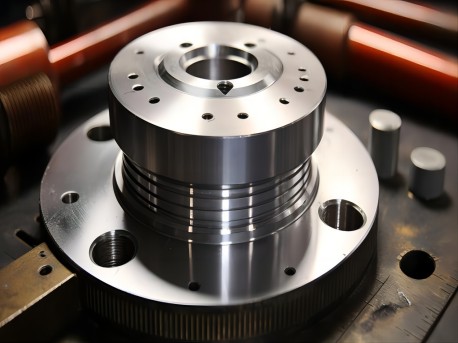
This age-hardenable iron-nickel-chromium alloy is designed for applications requiring high strength and good corrosion resistance at temperatures up to 700°C (1290°F). The strength of incoloy® A286 makes it ideal for a variety of components in aircraft and industrial gas turbines. The alloy is also used in the offshore oil and gas industry, and in fastener applications for automotive engine and manifold components that are exposed to high heat and stress.
GH80A(4080A)
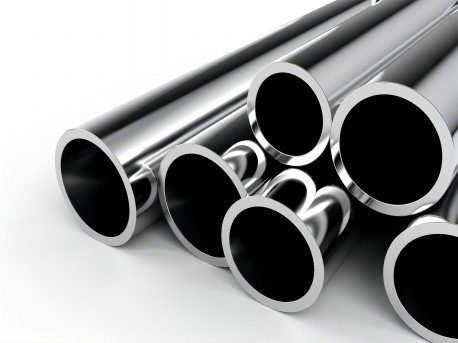
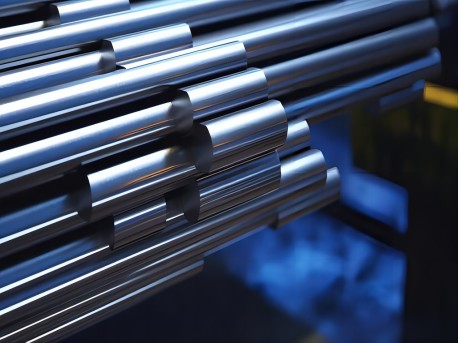
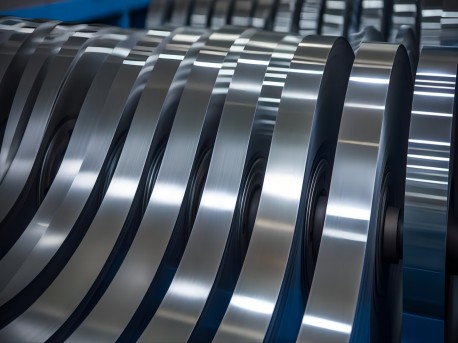
GH80A is a high-temperature alloy based on nickel-chromium, with aluminum and titanium added to form R-phase dispersion strengthening. Except for the slightly higher aluminum content, it is similar to GH4033. Its operating temperature is 700~800℃, and it has good performance at 650~850℃. Creep properties and oxidation resistance.

GH90(4090)
GH90 is a NI-CR-CO-based precipitation hardening deformed high-temperature alloy with a service temperature of up to 920°C. Containing a relatively high amount of cobalt and a variety of strengthening elements, the alloy has high tensile strength and creep resistance at 815 to 870°C, good oxidation resistance and corrosion resistance, and has greater resistance to cold and heat under repeated alternating effects. High fatigue strength and good processing and welding properties.
GH3030
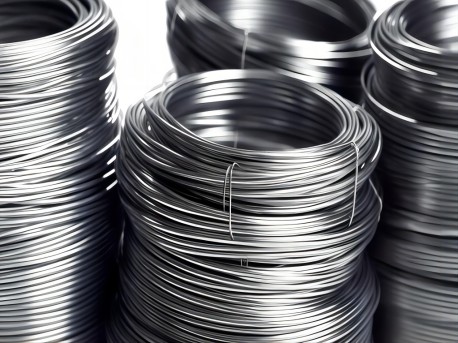
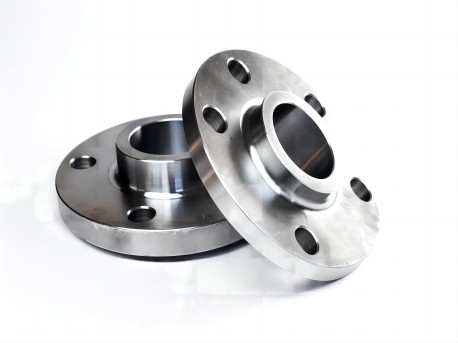
GH3030 is an 80Ni-20Cr solid solution strengthened super alloy with simple chemical composition, satisfactory thermal strength and high plasticity below 800 °C, and good oxidation resistance, thermal fatigue, cold stamping, and welding process performance. This alloy is monocrystalline austenite after solution treatment, and the structure is stable during use.
GH3039
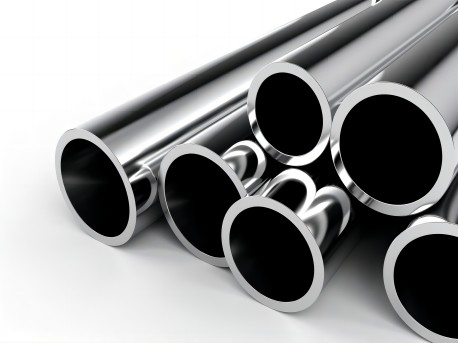
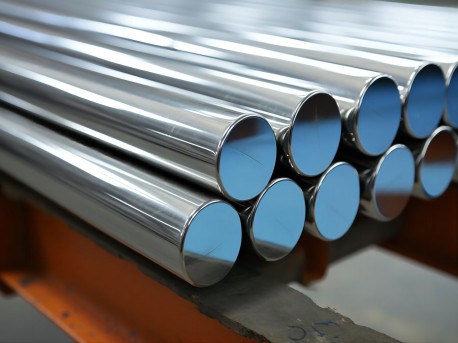
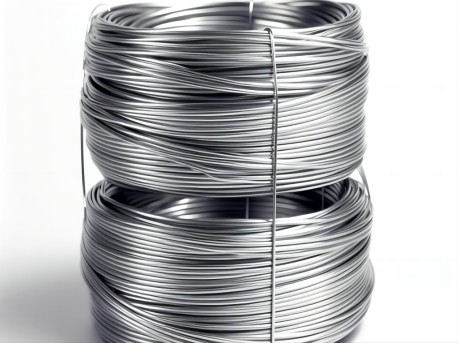
GH3039 is a single-phase austenitic solid solution strengthened alloy with moderate thermal strength and good thermal fatigue properties below 800°C, and good oxidation resistance below 1000°C. The structure is stable after long-term use, and it also has good cold formability and welding performance. Suitable for long-term use of aircraft engine combustion chamber and afterburner components below 850°C. The alloy can be used to produce sheets, rods, wires, tubes and forgings.
GH5188
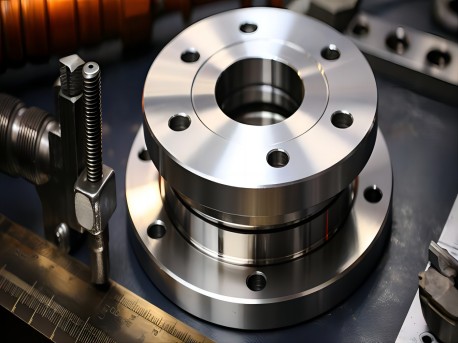
GH5188 alloy is a solid solution strengthened cobalt-based high-temperature alloy with carbide as the main strengthening phase. Compared with nickel-based superalloys, this alloy has better creep resistance, hot corrosion resistance, thermal fatigue resistance and high temperature strength. In the 1980s, GH5188 alloy was used in vortex plates, flame directors and other components of turboshaft eight-jet aero engines; currently, some aerospace engines use GH5188 alloy plates to prepare high-temperature components such as combustion chamber walls, outer walls, and sealing sheets. GH5188 alloy is a deformed cobalt-based high-temperature alloy with a simple microstructure


304 stainless steel/06Cr19Ni10
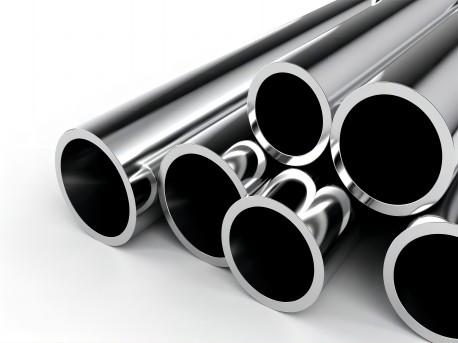
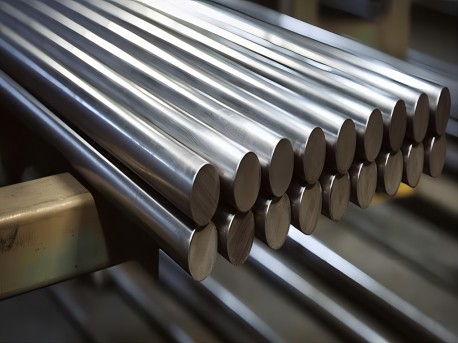
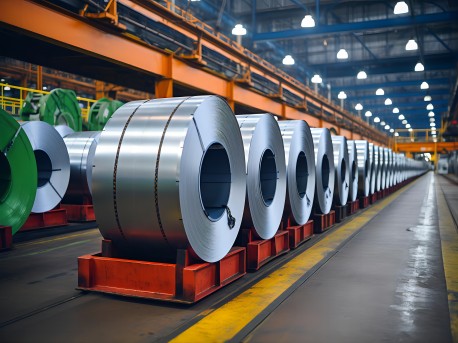
304 is a versatile stainless steel that is widely used to make equipment and parts that require good comprehensive properties (corrosion resistance and form ability). In order to maintain the inherent corrosion resistance of stainless steel, the steel must contain more than 18% chromium and more than 8% nickel. 304 stainless steel is a brand of stainless steel produced in accordance with American ASTM standards.
Stainless steel 316L
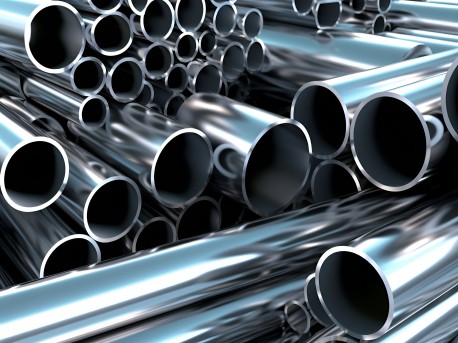
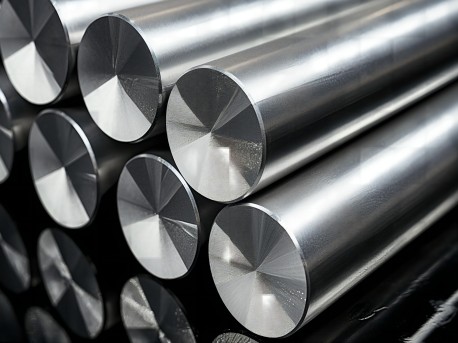
316L (S31603) is an austenitic stainless steel based on molybdenum. Compared with conventional chromium-nickel austenite such as 304 alloy, it has better resistance to general corrosion, pitting corrosion, and crevice corrosion, and has higher corrosion resistance. Ductility, stress corrosion resistance, compressive strength and high temperature resistance.
45CT
45CT is coated on the surface of INCO-CLADR 671\800HT pipe. It can also be used for spray coating on carbon steel and stainless steel surfaces to form a corrosion-resistant surface layer of nickel-chromium alloys. The high chromium component provides excellent resistance to high temperature corrosion, including resistance to fuel dust atmospheres containing sulfur and vanadium.
ENiCrMo-3
ENiCrMo-3 type 112 is an electrode that is used to weld nickel-chromium-molybdenum alloys. Its applications include dissimilar joints between nickel-chromium-molybdenum alloys and stainless, carbon, or low alloy steels. It is also used extensively in overlay cladding where similar chemical composition is required on the clad side. This alloy is suitable for applications where the temperature ranges from cryogenic up to 1800⁰F
ER385(904L)
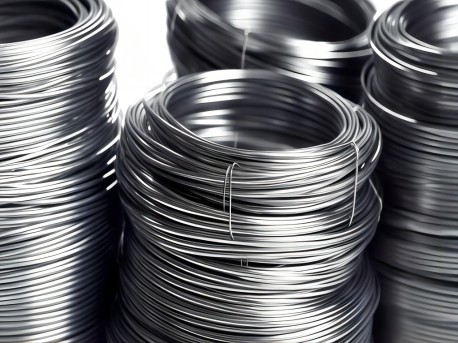
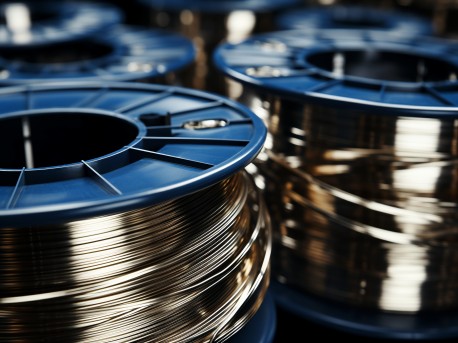
Alloy ER 385 (904L) is used for welding materials of similar chemical composition, which are used for the fabrication of equipment and vessels for handling sulfuric acid and many chloride-containing media. This filler metal may also find applications for joining Type 317L material where improved corrosion resistance in specific media is needed. To reduce the propensity for fissuring and hot cracking, the low melting constituents such as carbon, silicon, and phosphorus are controlled to lower levels in this alloy.
ERNiCrMo-4
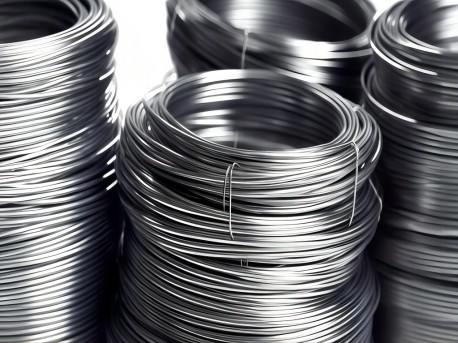
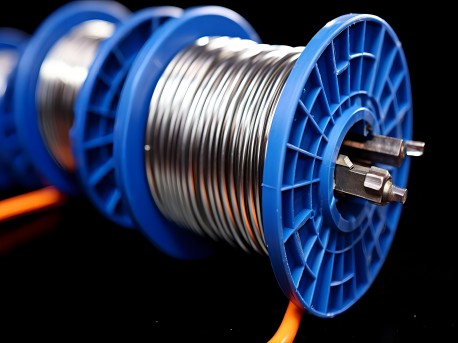
ERNiCrMo-4 Nickel Alloy C276 is used for welding materials of similar chemical composition as well as dissimilar materials of nickel base alloys, steels, and stainless steel. This alloy can also be used for cladding steel with nickel-chrome-molybdenum weld metal. The higher molybdenum content provides great resistance to stress corrosion cracking, pitting, and crevice corrosion.
ERNiCu-7
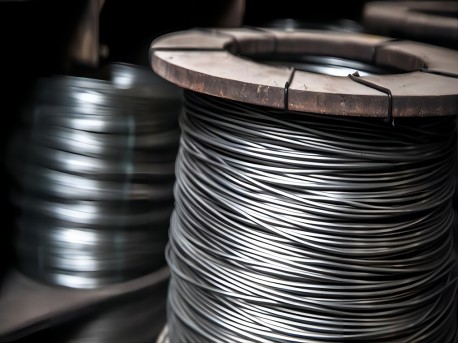
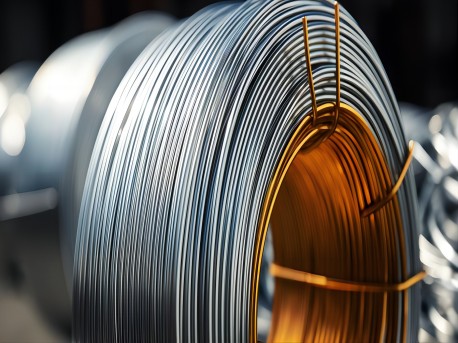
ERNiCu-7 is used for GMAW, GTAW and SAW welding of Monel 400 and Monel K500. It is also suitable for welding Monel 400 with copper-nickel alloys and carbon steel.
ERNiCu-7 forms a weld metal with high strength properties similar to Monel 400. Has good resistance to seawater and reducing acids.
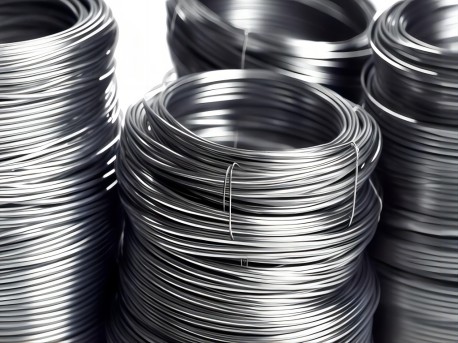
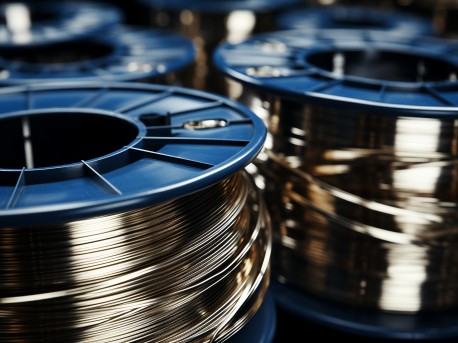
HCF955
(Common names: NiAl 95-5, Nickel Aluminum 95/5, N9, Ni95Al5, 95/5 Nickel Aluminum, F-80NA Nickel Aluminum 95/5) This alloy is a nickel aluminum alloy with dense coating and high temperature oxidation resistance , thermal shock resistance, scratch resistance and other characteristics.
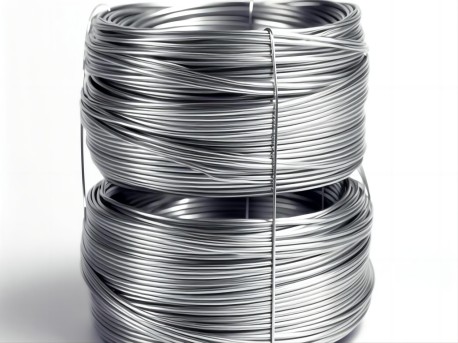
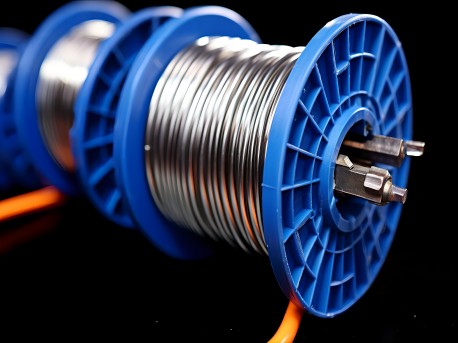
Hastelloy B/B-2
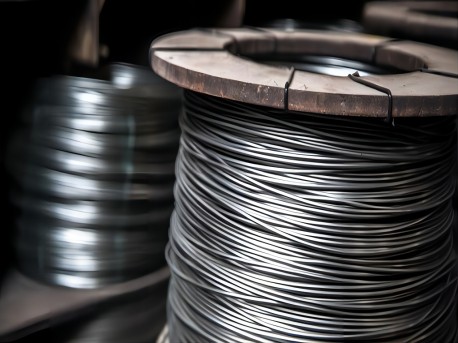
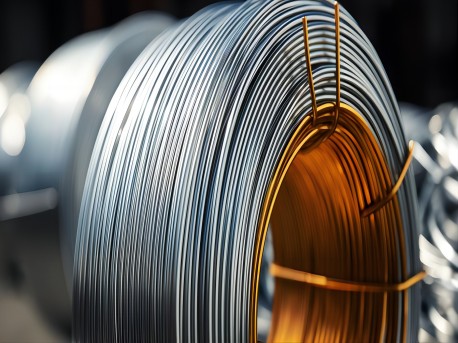
Hastelloy B2 is a nickel-molybdenum alloy with significant resistance to reducing environments such as hydrogen chloride gas, sulfuric acid, acetic acid and phosphoric acid. Hastelloy B2 is resistant to pure sulfuric acid and a wide range of non-oxidizing acids. This alloy should not be used in oxidizing media or where oxidizing contaminants are present in reducing media. If Alloy B2 is used in the presence of iron or copper in systems containing hydrochloric acid, premature failure may occur.
Industrial users like its resistance to a wide range of organic acids and resistance to chloride-induced stress corrosion cracking.
Hastelloy B-3
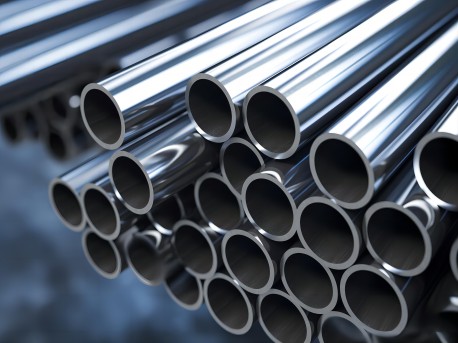
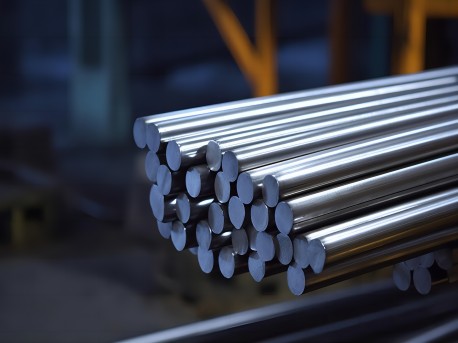
Hastelloy B-3 is a nickel-molybdenum alloy with excellent resistance to pitting, corrosion, and stress-corrosion cracking plus, thermal stability superior to that of alloy B-2. In addition, this nickel steel alloy has great resistance to knife-line and heat–affected zone attack. Alloy B-3 also withstands sulfuric, acetic, formic and phosphoric acids, and other non-oxidizing media. Furthermore, this nickel alloy has excellent resistance to hydrochloric acid at all concentrations and temperatures. Hastelloy B-3’s distinguishing feature is its ability to maintain excellent ductility during transient exposures to intermediate temperatures. Such exposures are routinely experienced during heat treatments associated with fabrication.
Hastelloy C-22
HASTELLOY® C-22® alloy (UNS N06022) is one of the well-known and well-proven nickelchromium-molybdenum materials, the chief attributes of which are resistance to both oxidizing and non-oxidizing chemicals, and protection from pitting, crevice attack, and stress corrosion cracking. Its high chromium content provides much higher resistance to oxidizing media than the family standard, C-276 alloy, and imparts exceptional resistance to chloride-induced pitting, an insidious and unpredictable form of attack, to which the stainless steels are prone
Hastelloy C-276
C-276 alloy is a nickel-chromium-molybdenum alloy that offers universal corrosion resistance unmatched by any other alloy. C-276, also known as Inconel® C-276 or Hastelloy® C-276, is an improved variant of Alloy C because it generally does not require solution heat treatment after welding and greatly improves machinability

Hastelloy X
Alloy X is an alloy with high strength and oxidation resistance to 2200 °F as well as good carburization and nitriding resistance. It has also been found to have good resistance to stress-corrosion cracking in some petrochemical applications. It has an ASME Boiler and Pressure Vessel code case.