
Marine Engineering
I. Application overview:
Alloys are widely used in marine engineering, mainly due to their excellent corrosion resistance, high strength and good mechanical properties. The following are the main uses of alloys in marine engineering:
Marine platform construction: Steel structures and reinforced concrete platforms can ensure stability and safety in harsh marine environments by using high-strength, corrosion-resistant alloy materials.
Shipbuilding: Aluminum alloys are widely used in the manufacture of hulls, decks and ship parts due to their light weight, high strength and good corrosion resistance. Stainless steel alloys are also commonly used in certain parts of ships, such as propellers, shafting and valves, to provide good corrosion resistance.

(Ocean Detector:Submarine)
Submarine Pipelines and Marine Equipment: Alloys are used to make sub-sea pipelines, which are used to transport oil, natural gas and other liquids. Alloy materials can resist seawater corrosion and high-pressure environments, ensuring safe and reliable operation of pipelines. In addition, alloys are also used to manufacture various marine equipment, such as submersibles, ocean detectors, seabed sensors and marine resource development equipment.
Energy field applications: Titanium alloys and high-temperature alloys are used to manufacture equipment and structures in ocean thermal power stations to withstand high temperatures, high pressures and corrosive environments. In addition, alloys are used to manufacture desalination equipment to provide clean drinking water and irrigation water.
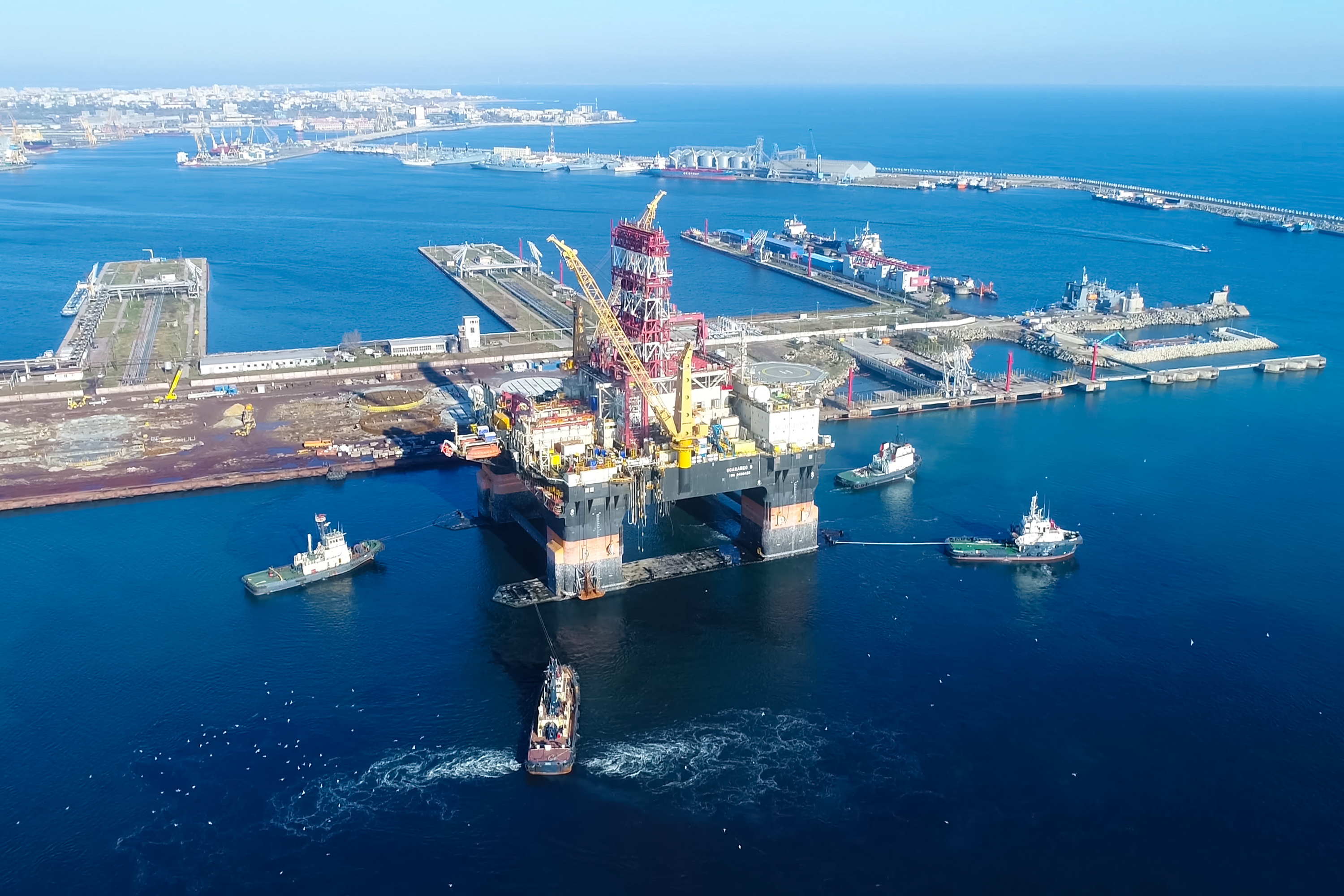
(High-strength & Corrosion-resistant Marine platform)
Marine environment protection and restoration: Use corrosion-resistant alloy materials to manufacture breakwaters, seawalls and revetment structures to withstand erosion from waves, storms and tides. In addition, alloys can also be used to make marine debris clean-up equipment and marine ecosystem restoration tools.
II. Detailed explanation of material requirements
In view of the particularity of the marine environment, alloy materials must meet a series of strict requirements:
1. High strength and corrosion resistance: High salt content, water, oxygen and other substances in the marine environment have a strong corrosive effect on metal materials. Therefore, alloy components must have sufficient strength and corrosion resistance to resist the effects of the marine environment and maintain a long service life.
2. Good welding performance: Since most metal parts in marine engineering need to be welded on site, alloy materials must have good welding performance to ensure the reliability and safety of the parts.
3. Fatigue resistance: Due to the dynamic characteristics of the marine environment, such as tides, waves, etc., marine engineering structures will be subject to periodic fatigue loads. Alloy components must have excellent fatigue resistance to withstand these loads and prevent fatigue fracture.
4. Good machining performance: For some complex parts, machining may be required. This requires alloy materials to have good processing properties to achieve precise manufacturing of components.
5. Lightweight design: The use of lightweight alloy materials helps reduce structural weight, thereby improving the navigation efficiency of ships and offshore engineering structures, while saving material costs and improving energy efficiency.
6. Non-magnetic or low-magnetic: For some specific marine engineering applications, such as the laying of submarine cables, non-magnetic or low-magnetic alloy materials need to be used to prevent interference with the magnetic field.
III. Refinement of process requirements
In order to ensure the excellent performance of the alloy in marine engineering, the following process requirements need to be followed:
1. Heat treatment and smelting technology: In order to ensure the mechanical properties and corrosion resistance of the alloy, it must be subject to appropriate heat treatment and smelting control. The melting point of carbon steel is approximately between 1450°C and 1520°C.
The melting point of stainless steel is usually between 1400°C and 1450°C.
For special alloys commonly used in marine engineering, such as nickel-based and cobalt-based super-alloys, the melting temperature can be higher, sometimes exceeding 1200°C to 1500°C.
2. Surface treatment and coating technology: In order to enhance the corrosion resistance of alloys in marine environments, it is often necessary to perform surface treatment or apply anti-corrosion coatings. This may include spray anti-corrosion coatings, electroplating, chemical plating and other processes. These coatings must be able to withstand corrosion and erosion in marine environments.
IV. Recommendation of alloy grades suitable for marine fields
According to the different needs of offshore engineering, the following alloy grades are recommended:
u Stainless steel 316L: suitable for structural parts, fasteners and piping systems, etc., with good corrosion resistance and strength.
u Inconel 625, Hastelloy C-276, Hastelloy C-22: These special alloys excel in high temperatures, pressures and corrosive environments and are used in the energy sector and in the manufacture of critical components.
u Monel 400: Commonly used in ship superstructures, such as antennas, radio masts, mufflers, etc., as well as valves, pipes, pump casings and other components in seawater. It has good corrosion resistance and processing performance.
u Inconel 718, Inconel X-750: These alloys offer excellent mechanical properties and corrosion resistance and are suitable for demanding marine engineering applications.