
Chemical
I. Application Overview
(1) Catalyst:
a) Nickel-based alloys: In the petrochemical industry, nickel-based alloys are often used as carriers of hydrogenation catalysts.
(2) Corrosion-resistant materials:
a) Stainless steel: Mainly composed of iron, chromium and nickel, it has good corrosion resistance, especially in oxidizing environments.
b) Hastelloy alloys (such as Hastelloy B, Hastelloy C, etc.): These nickel-based alloys have excellent corrosion resistance to strong acid, strong alkali and chloride environments.
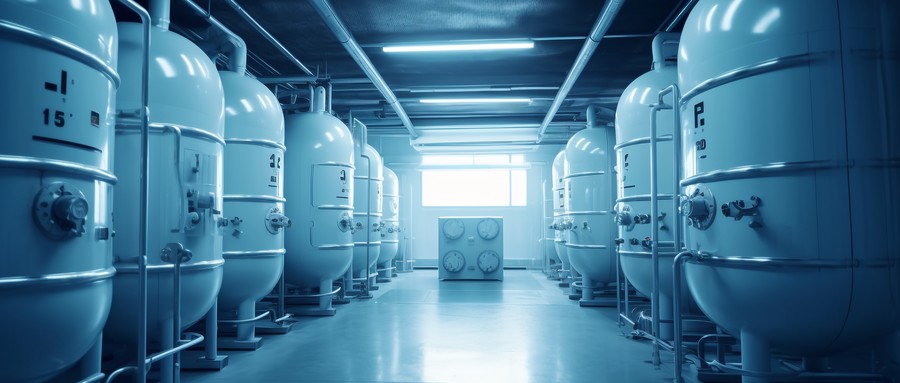
(Hydrogen Catalyst Carrier)
(3) Chemical reactor
a) Nickel-based alloys: such as Inconel and Hastelloy series, which have good high-temperature strength and corrosion resistance and are often used in high-temperature and high-pressure reactors.
b) Iron-based alloys: Some specially designed iron-based alloys, such as heat-resistant steel, can maintain good mechanical properties at high temperatures.
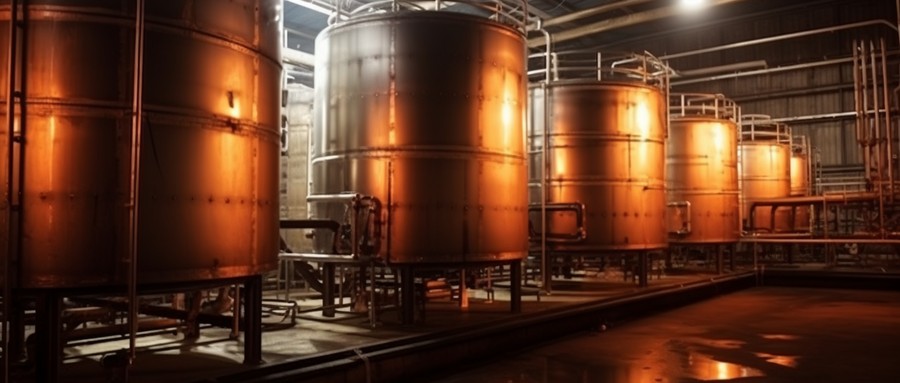
(High Temperature Chemical Reaction Tank)
II. Detailed explanation of material requirements
(1) Corrosion resistance: Alloys must have excellent corrosion resistance in chemical environments to resist erosion by chemicals such as acid, alkali, and salt. For example, stainless steel is an iron-based alloy with excellent corrosion resistance and is widely used in chemical industry, marine and other fields.
(2) High temperature stability: Certain chemical reactions need to be carried out at high temperatures, so the alloy must have good high temperature stability to maintain its mechanical properties and chemical stability. For example, nickel-based alloys and cobalt-based alloys have good oxidation resistance and creep resistance at high temperatures and are often used in the manufacture of high-temperature reactors and furnaces.
(3) Mechanical strength: Alloys need to have sufficient mechanical strength to withstand the pressure and impact during chemical reactions. By adjusting the alloy composition and heat treatment process, alloy materials with different strengths can be obtained.
(4) Electrical and thermal conductivity: In certain electrochemical applications, alloys need to have good electrical and thermal conductivity to promote electron transfer and heat dissipation. For example, copper-based alloys and aluminum-based alloys have wide applications in the field of electrochemistry.
(5) Special properties: In addition to the above basic properties, some specific chemical reactions may also require the alloy to have some special properties, such as catalytic activity, magnetism, optical properties, etc. These special properties can be achieved by adding specific alloying elements or using special preparation processes.
III. Refinement of process requirements
1. Smelting and casting process requirements
l Requirements: Ensure the uniformity and purity of alloy components and avoid contamination by harmful elements.
l Implementation standards:
1) ASTM B series standards, such as ASTM B26, B368, etc., specify the melting methods and casting requirements of alloys.
2) The DIN EN 10204 series of standards specifies quality control and inspection requirements for alloy smelting and casting.
2. Molding process requirements
l Requirements: Ensure that the alloy has good plasticity, deformation ability and defect-free products during the forming process.
l Implementation standards:
1) ISO 683 series of standards stipulates the technical requirements for hot rolling, cold rolling and forging and other forming processes.
2) Domestic standards such as GB/T 14992 describe in detail the technical specifications for the extrusion, drawing and other forming processes of alloys.
3. Heat treatment process requirements
l ·Requirements: Control the structure and properties of the alloy through heat treatment, such as hardness, toughness, corrosion resistance, etc.
l ·Execution standards:
1) AMS 2750 series of standards stipulates the heat treatment process requirements for alloys used in aviation.
2) The SAE AMS-H series of standards, including AMS-H-6088 and others, provide detailed guidance on the heat treatment of specific high-performance alloys.
4. Surface treatment process requirements
l Requirements: Improve the corrosion resistance, wear resistance, decoration or other special properties of the alloy.
l Execution standards:
1) Military specifications such as MIL-DTL-5541 stipulate specific requirements for plating, coating, conversion coating and other treatments on metal surfaces.
2) ASTM B and D series standards cover detailed specifications for surface treatments such as electroplating, spraying and chemical conversion coatings.
5. Quality control and testing process requirements
l Requirements: Ensure that every production link of the alloy from raw materials to finished products is effectively controlled, and necessary testing is conducted to ensure product quality.
l Execution standards:
1) ASTM E series standards provide guiding principles for quality control methods such as non-destructive testing, mechanical property testing and chemical analysis of metal materials.
2) ISO 9001 international standard for quality management systems, emphasizing comprehensive quality control and continuous improvement of the alloy manufacturing process
IV. Recommended alloy grades
Stainless steel:
304 stainless steel: has good corrosion resistance and process-ability, and is widely used in chemical equipment, pipelines and storage tanks.
316 stainless steel: has better corrosion resistance than 304, especially in chloride-containing environments, and is often used in the chemical, marine and pharmaceutical fields.
Nickel Based Alloy:
Hastelloy C-276: A nickel-molybdenum-chromium alloy with excellent corrosion resistance, especially in highly oxidizing environments such as chemical processing equipment and flue gas desulfurization systems.
Inconel 600: It has good high temperature performance and corrosion resistance, and is often used in high temperature chemical equipment and heat treatment furnaces.