
Electronic
1. Application Overview
(1) Wires and connectors: Many electronic products require the use of wires and connectors. These components are usually made of alloys with good electrical conductivity such as copper alloys. Copper alloys not only have excellent electrical conductivity, but also have good process-ability and corrosion resistance, making them very suitable for manufacturing wires and connectors.
(2) Shells and brackets: The shells and brackets of electronic products usually need to have a certain degree of strength and durability to protect the electronic components inside. Lightweight and high-strength alloys such as aluminum alloys and titanium alloys are widely used in this area. Not only do they provide good protection, they also reduce the weight of the product and improve portability.
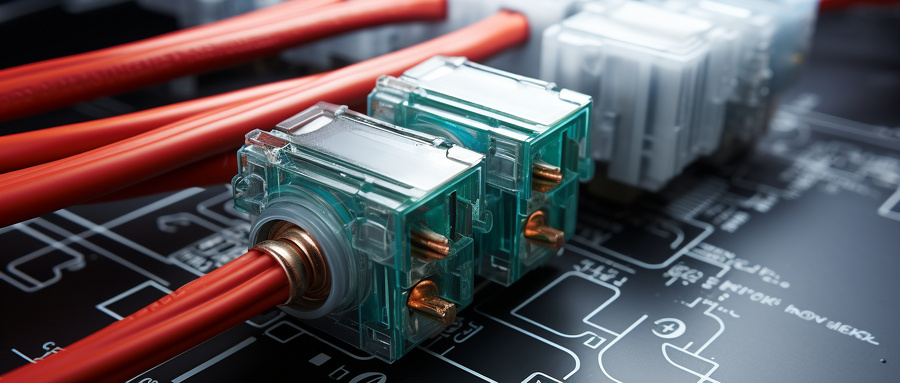
(Copper Alloy Electronic Connectors)
(3) Heat dissipation components: Electronic products will generate a large amount of heat during operation. If the heat cannot be dissipated in time, it may cause damage to electronic components. Therefore, heat dissipation components are an indispensable part of electronic products. Copper alloys, aluminum alloys and other alloys with good thermal conductivity are often used to manufacture heat dissipation components, such as heat sinks, cooling fans, etc.
(4) Electromagnetic shielding materials: In electronic products, some components may be affected by external electromagnetic interference, resulting in performance degradation or failure. In order to solve this problem, alloy materials with electromagnetic shielding function can be used. These materials can effectively isolate external electromagnetic interference and ensure the normal operation of electronic products. Such as perm-alloy, etc.
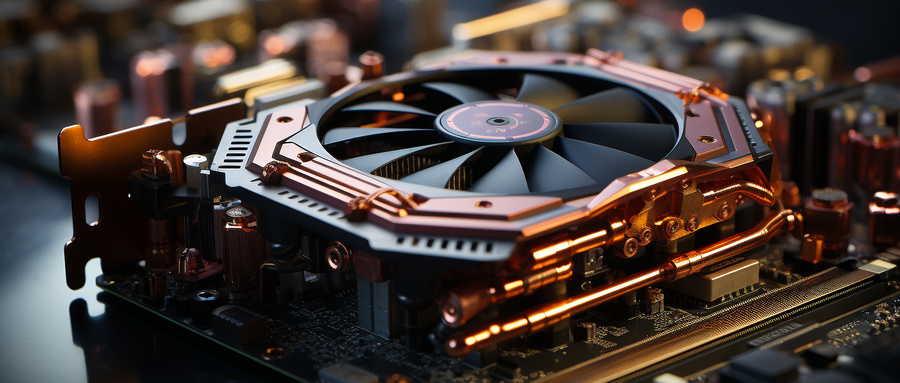
(Copper/Aluminum Alloy Heat Dissipation Components)
(5) Battery electrode materials: In electronic products, batteries are an important component that provides electrical energy. Alloy materials are also widely used in battery electrodes. For example, the cathode material of lithium-ion batteries is usually made of alloy compounds such as lithium cobalt oxide and lithium nickel oxide. These alloy compounds have good electrochemical properties and can provide stable electrical energy output.
(6) Other applications: In addition to the above aspects, alloys have many other applications in the field of electronic products. For example, it can be used to make structural parts, fasteners and other components of electronic products; it can be used to make high-precision magnetic sensors, electronic switches and other electronic components; it can also be used to make high-precision instruments, timers and other precision machinery.
2. Detailed explanation of material requirements
(1) Composition control: The composition of the alloy must be precisely controlled to meet the specific needs of electronic products. For example, for products with high electrical conductivity requirements, alloy components with high electrical conductivity need to be selected.
(2) Processing properties: The alloy should have good processing properties to facilitate the manufacture of electronic product components of various complex shapes. This includes ease of cutting, stamping, casting, welding and machining, etc.
(3) Heat treatment: Alloys may need to undergo heat treatment during the manufacturing process of electronic products to improve their mechanical and physical properties. Parameters such as heat treatment temperature, time and cooling rate must be strictly controlled to ensure the desired results.
(4) Surface treatment: The surface treatment of alloys is crucial to the performance and appearance of electronic products. This may include electroplating, spraying, oxidation, polishing and other processes to improve the corrosion resistance, conductivity, aesthetics, etc. of the alloy.
(5) Precision processing: For some high-precision electronic product components, the precision processing capabilities of alloys are particularly important. This may require the use of advanced processing equipment and technology, such as CNC machine tools, laser cutting, etc., to ensure the dimensional and shape accuracy of the parts.
(6) Non-destructive testing: In the manufacturing process of electronic products, non-destructive testing technology is often used to detect internal defects of alloy components, such as cracks, pores, etc. This helps ensure product quality and reliability.
(7) Corrosion resistance: Electronic products may encounter different environments during use, including moisture, high temperature, chemical corrosion, etc. Therefore, alloy materials need to have good corrosion resistance to ensure the stability and life of the product.
(8) Weld-ability: In the manufacturing process of electronic products, welding is a common process link. Alloy materials need to have good weld-ability to ensure the quality and reliability of welded joints.
(9) Electrical and thermal conductivity: For electronic product components that require electrical or thermal conductivity, alloy materials should have good electrical and thermal conductivity. This helps ensure product performance and efficiency.
3. Refinement of process requirements
(1) Thermal stability: Electronic products may encounter high temperature environments during use, so alloys need to have good thermal stability to ensure that excessive deformation or failure does not occur at high temperatures.
(2) Electromagnetic shielding: For some electronic products that require electromagnetic shielding, the alloy needs to have good electromagnetic shielding properties to prevent the impact of external electromagnetic interference on the product.
4. Recommended alloy grades
(1) 1J22 alloy: This alloy is composed of iron, nickel, cobalt, niobium, molybdenum and other elements, and has extremely high saturation magnetic induction intensity and magnetic permeability. It is widely used in electric power, electronics, communications and other fields. In the electronics field, 1J22 alloy can be used to manufacture high-precision magnetic sensors, electronic switches, disk drives and other electronic components.
(2) 1J79 alloy: It has high magnetic permeability and low coercive force, so it is an excellent magnetic material. In the electronics field, 1J79 alloy is used to manufacture magnetic components of magnetic storage devices such as magnetic heads, disks, and tapes.
(3) 1J50 alloy: a nickel ferromagnetic alloy with high saturation magnetic induction intensity and high magnetic permeability. In the electronics field, 1J50 alloy can be used to manufacture electronic components such as magnetic heads, read-write heads, and disk drives.
(4) Stainless steel 304 and 316L