
Nuclear power
I. Application Overview
Covers the manufacturing of reactor structural materials, steam generators, pipes, valves, pumps and other key components
nickel-base alloy
1.Inconel 600: A nickel-based alloy with high-temperature strength and good corrosion resistance, widely used in various high-temperature components of nuclear power plants.
2.Inconel 718: A precipitation-hard-enable nickel-based alloy with good high-temperature strength and creep resistance, suitable for high-temperature and high-pressure environments.
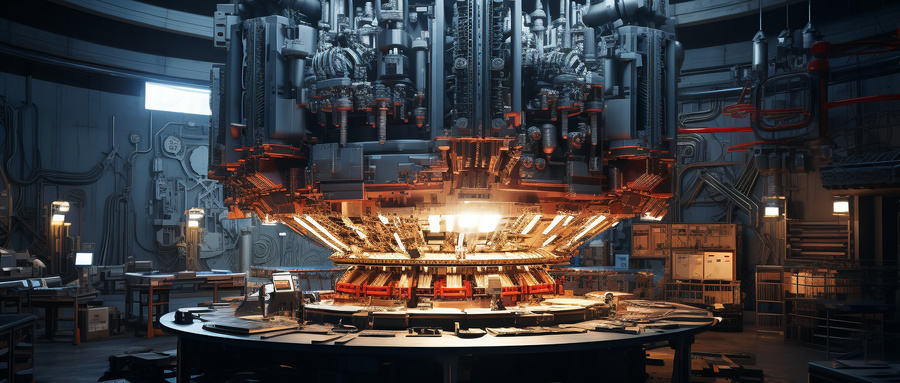
(Nuclear Reactor Structural Materials)
3.Hastelloy C-276: A nickel-molybdenum-chromium alloy with excellent corrosion resistance, suitable for handling corrosive media such as strong acids, strong oxidants and chlorides.
Stainless steel:
1.304 stainless steel: It has good corrosion resistance and processing performance and is widely used in general structural parts of nuclear power plants.
2.316 stainless steel: Molybdenum is added to improve the corrosion resistance to chloride and marine environments, making it suitable for more harsh corrosive environments.
High-temperature alloy:
1.Nimonic series: such as Nimonic 80A, Nimonic 90, etc., have good high-temperature strength and oxidation resistance, and are suitable for high-temperature components.
2. GH series: Such as GH4169, GH3030, etc., which are high-temperature alloy series independently developed by China and have good high-temperature performance and processing performance.
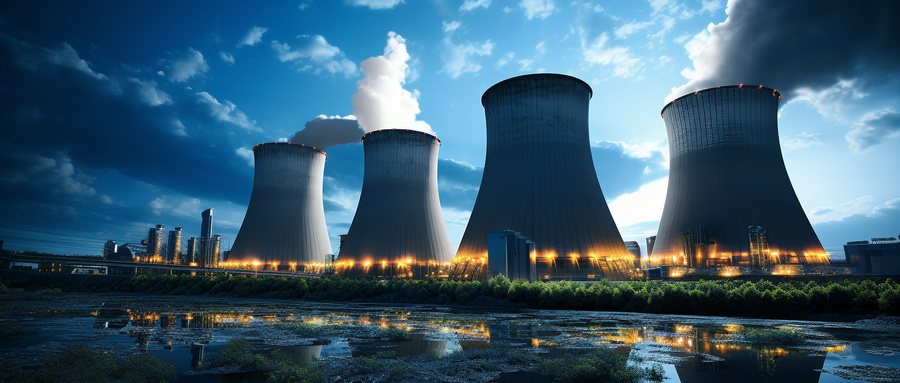
(Steam Generator in Nuclear Power Plant)
II. Detailed explanation of material requirements
(1) Anti-fatigue performance: Nuclear power equipment will experience cyclic loading and unloading during operation, so alloy materials need to have good fatigue resistance and be able to maintain stable mechanical properties under long-term cyclic stress.
(2) Creep resistance: Under high temperature and long-term stress, alloy materials may undergo creep deformation, leading to equipment failure. Therefore, alloy materials need to have excellent creep resistance and be able to maintain stable shape and size under high temperatures and long-term stress.
(3) Good thermal conductivity: Nuclear power equipment will generate a large amount of heat during operation, so alloy materials need to have good thermal conductivity to effectively transfer heat out and maintain the normal operating temperature of the equipment.
(4) Good toughness and impact properties: Since nuclear power equipment may be affected by external forces, such as earthquakes, wind, etc., alloy materials need to have good toughness and impact properties and be able to not break or be damaged when subjected to external forces.
(5) Stable chemical properties: Alloy materials may come into contact with various chemical substances in the working environment of nuclear power plants, so they need to have stable chemical properties and not cause harmful chemical reactions with other substances.
III. Refinement of process requirements
(1) Precise forming and processing: Alloy components in nuclear power equipment need to have precise size and shape to ensure the normal operation and safety performance of the equipment. Therefore, during the forming and processing of alloys, advanced processing technology and equipment need to be used to strictly control processing accuracy and surface quality.
(2) Strict heat treatment process: Heat treatment is an important link in the processing of alloy materials, which can improve the structure and performance of the material. In the field of nuclear power, the heat treatment process of alloy materials requires strict control of parameters such as temperature, time and cooling rate to ensure that the material obtains the required mechanical properties and corrosion resistance.
(3) Non-destructive testing and quality control: Nuclear power equipment has extremely high requirements on material quality, so strict non-destructive testing and quality control are required during the processing of alloy materials. Commonly used non-destructive testing methods include ultrasonic testing, radio-graphic testing and magnetic particle testing. These methods can effectively detect defects and cracks within materials and other hidden dangers, ensuring that the quality of materials meets standard requirements.
IV. Recommended alloy grades
Inconel 600
Inconel 718:
Hastelloy C-276
Stainless steel 304 & 316L
GH3030
GH4080A
GH4090